





World leaders will start descending on the Scottish city of Glasgow on Sunday for the United Nations COP26 summit, billed as a make-or-break chance to save the planet from the most calamitous effects of climate change.
Delayed by a year because of the COVID-19 pandemic, COP26 aims to keep alive a target of capping global warming at 1.5C above pre-industrial levels - the limit scientists say would avoid its most destructive consequences.
Meeting that goal, agreed in Paris to much fanfare in 2015, will require a surge in political momentum and diplomatic heavy-lifting to make up for the insufficient action and empty pledges that have characterized much of global climate politics.
The conference needs to secure more ambitious pledges to further cut emissions, lock in billions in climate finance, and finish the rules to implement the Paris Agreement with the unanimous consent of the nearly 200 countries that signed it.
"Let’s be clear - there is a serious risk that Glasgow will not deliver," UN Secretary-General Antonio Guterres told leaders of the Group of 20 (G20) rich nations last week.
"Even if recent pledges were clear and credible - and there are serious questions about some of them - we are still careening towards climate catastrophe.
" Countries' existing pledges to cut emissions would see the planet's average temperature rise 2.7C this century, which the UN says would supercharge the destruction that climate change is already causing by intensifying storms, exposing more people to deadly heat and floods, killing coral reefs and destroying natural habitats.
The signals ahead of COP26 have been mixed. A new pledge last week from China, the world's biggest polluter, was labeled a missed opportunity that will cast a shadow over the two-week summit.
Announcements from Russia and Saudi Arabia were also lackluster.
The return of the United States, the world's biggest economy, to UN climate talks will be a boon to the conference, after a four-year absence under President Donald Trump.
But like many world leaders, President Joe Biden will arrive at COP26 without firm legislation in place to deliver his own climate pledge as Congress wrangles over how to finance it and new uncertainty about whether U.S. agencies can even regulate greenhouse gas emissions.
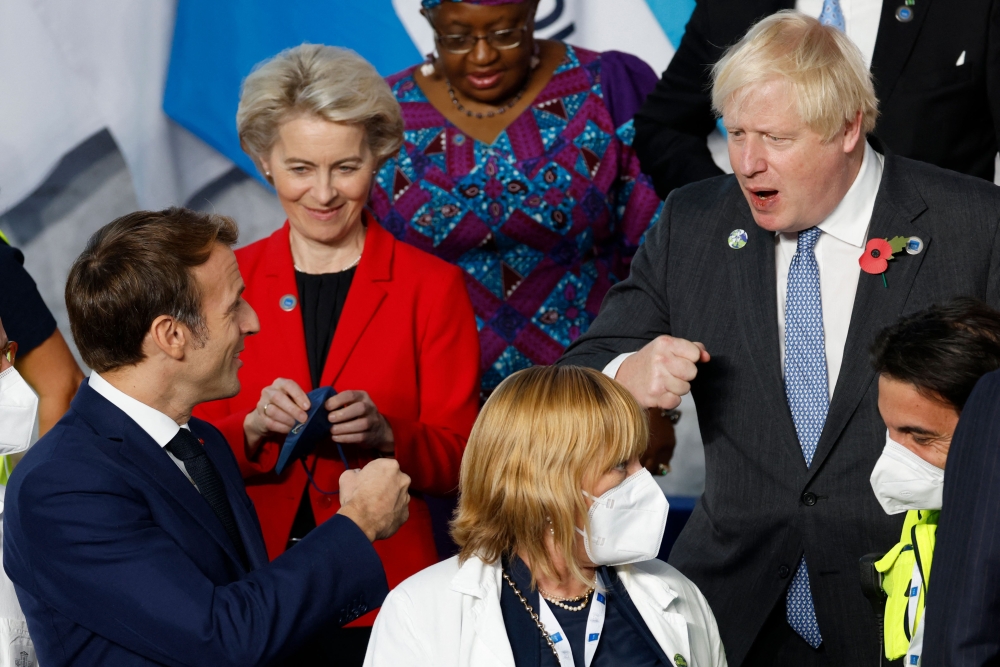
Leaders of the G20 meeting in Rome this weekend will say they aim to cap global warming at 1.5C, but will largely avoid firm commitments, according to a draft statement seen by Reuters.
The joint statement reflects tough negotiations but details a few concrete actions to limit carbon emissions. The G20, which includes Brazil, China, India, Germany, and the United States, accounts for about 80% of global greenhouse gas emissions, but hopes the Rome meeting might pave the way to success in Scotland have dimmed considerably.
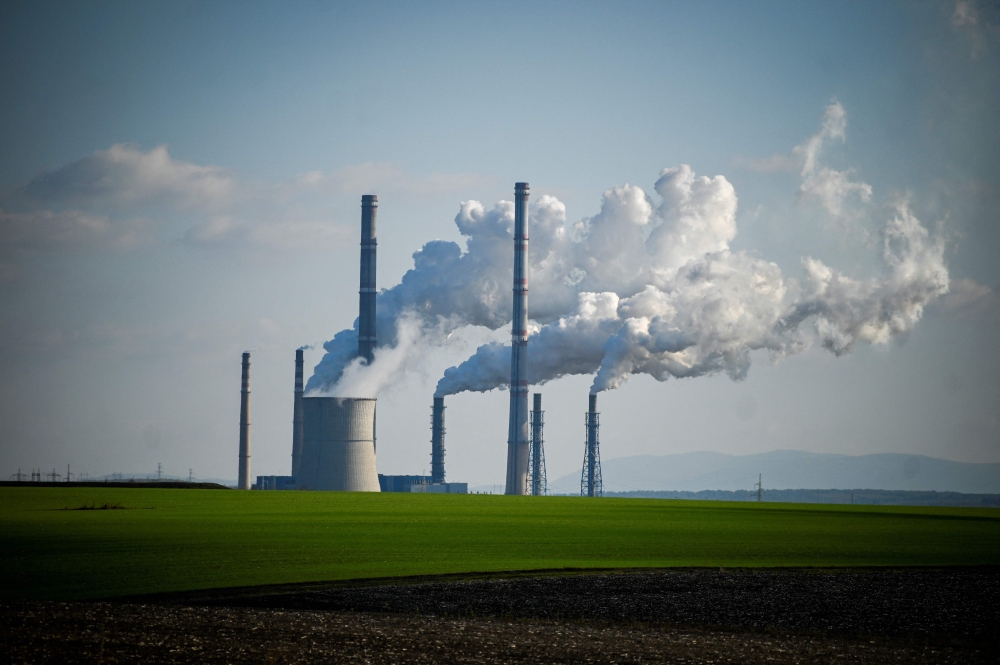
Adding to the challenging geopolitical backdrop, a global energy crunch has prompted China to turn to highly polluting coal to avert power shortages, and left Europe seeking more gas, another fossil fuel.
Ultimately, negotiations will boil down to questions of fairness and trust between rich countries whose greenhouse gas emissions caused climate change, and poor countries being asked to de-carbonize their economies with insufficient financial support. COVID-19 has exacerbated the divide between rich and poor.
A lack of vaccines and travel curbs mean some representatives from the poorest countries cannot attend the meeting.
Other obstacles - not least, sky-high hotel rates in Glasgow - have stoked concerns that civil society groups from the poorest nations which are also most at risk from global warming will be under-represented.
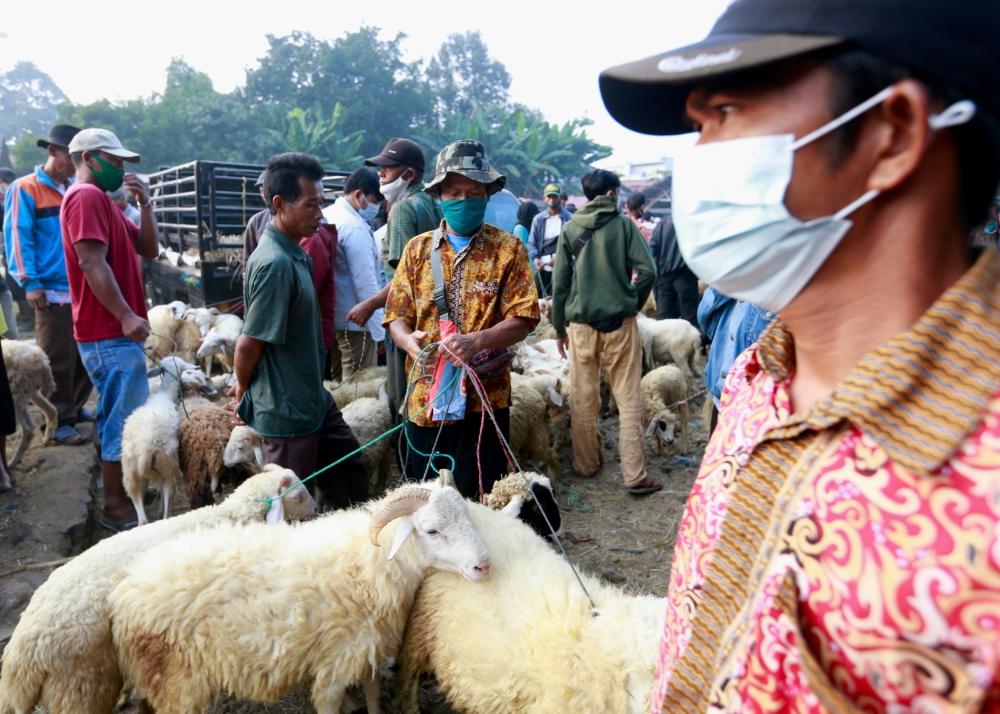
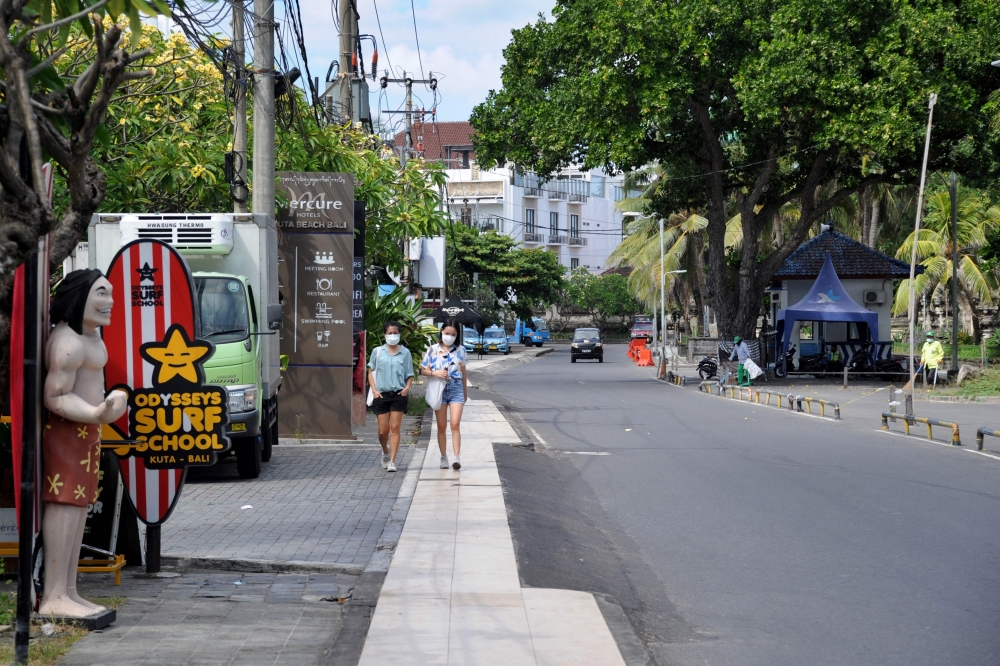
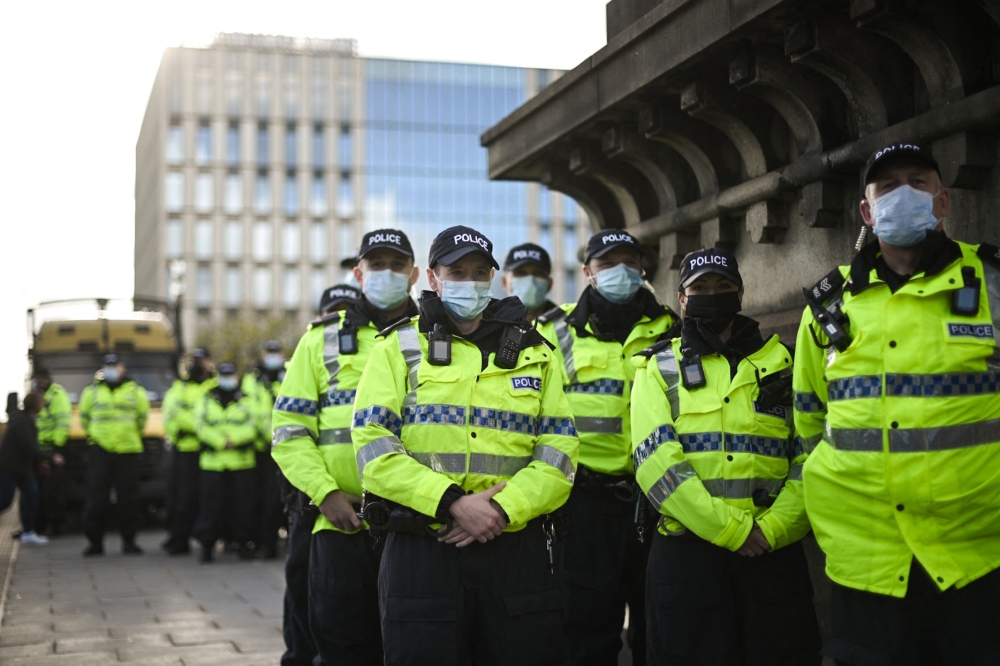
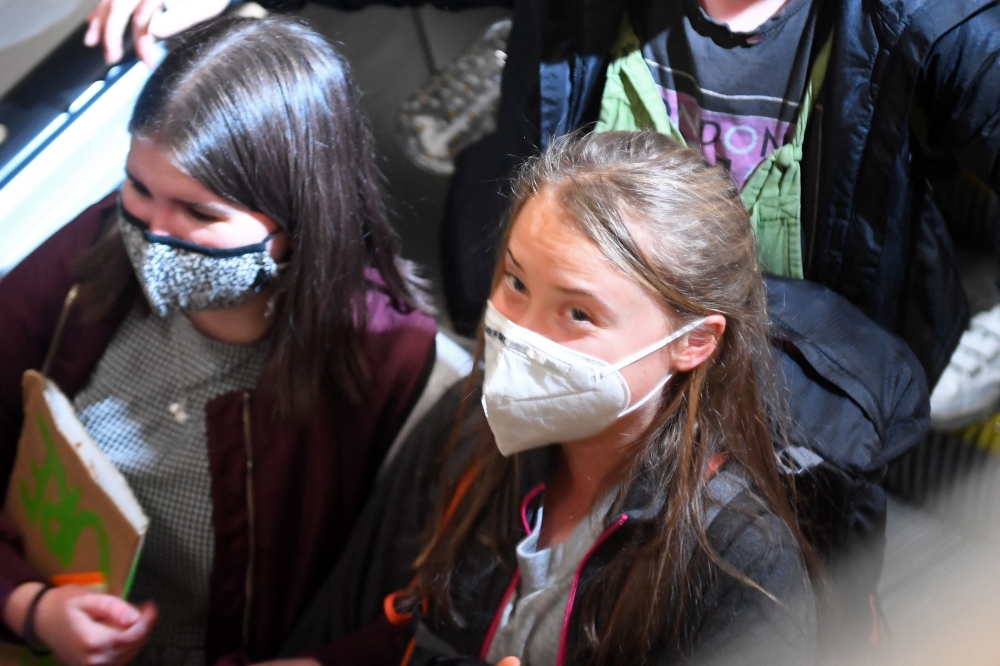
COVID-19 will make this UN climate conference different from any other, as 25,000 delegates from governments, companies, civil society, indigenous peoples, and the media will fill Glasgow's cavernous Scottish Event Campus. All must wear masks, socially distance and produce a negative COVID-19 test to enter each day - meaning the final-hour "huddles" of negotiators that clinched deals at past climate talks are off the table.
Attendees who test positive must quarantine for 10 days - potentially missing most of the conference. World leaders will kick start COP26 on Monday with two days of speeches that could include some new emissions-cutting pledges before technical negotiators lock horns over the Paris accord rules.
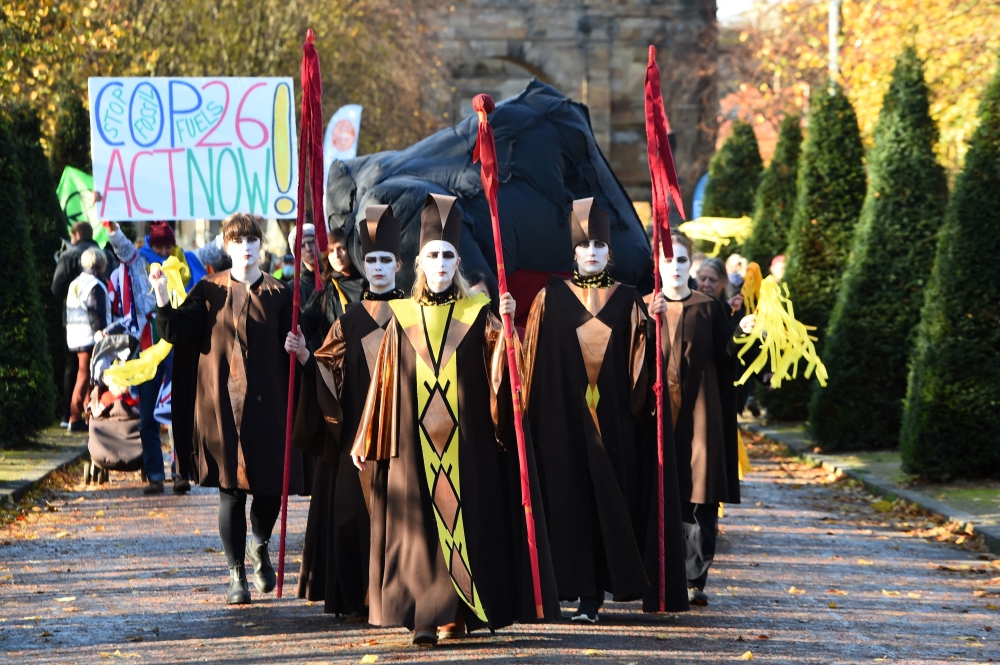
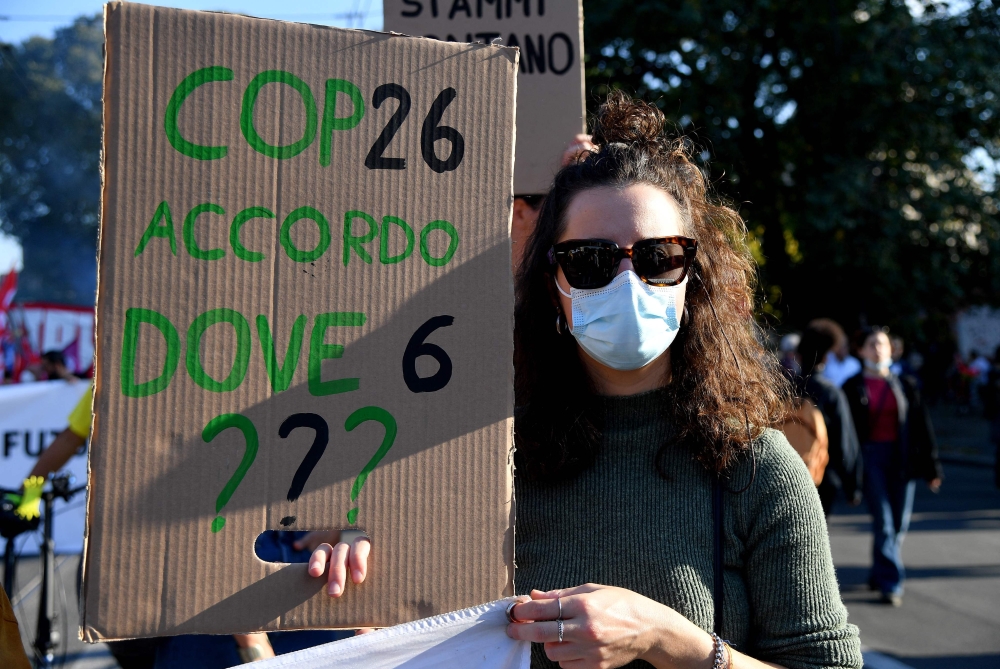
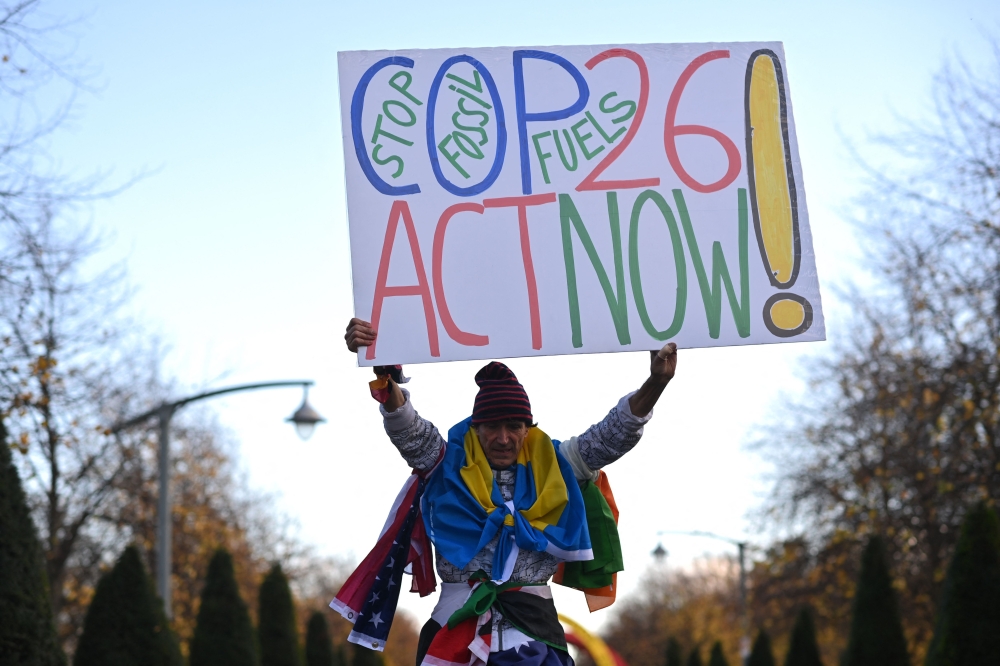
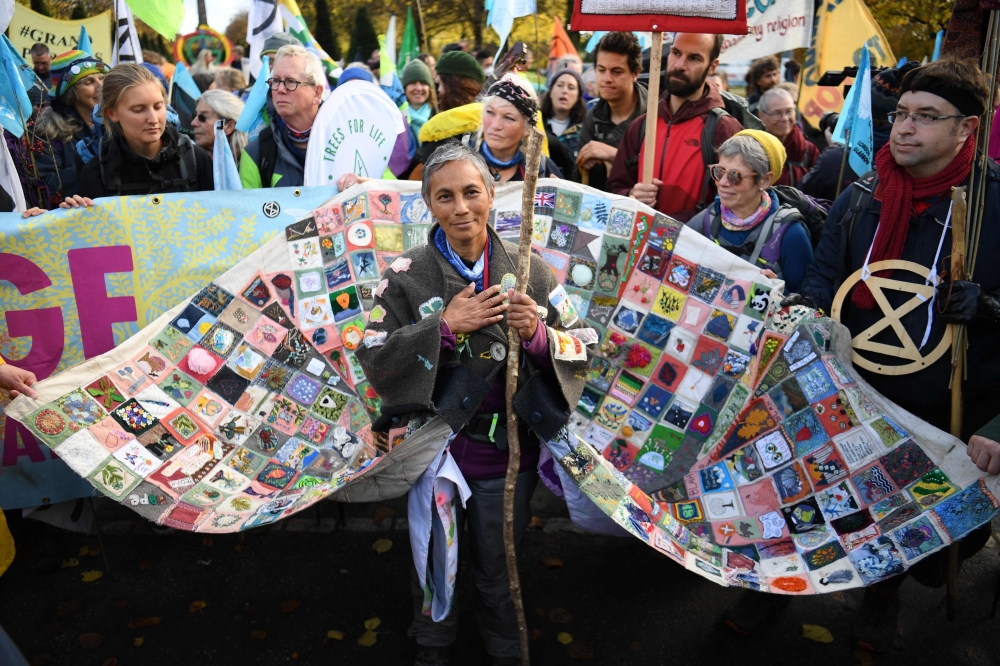
Any deal is likely to be struck hours or even days after the event's Nov. 12 finish date. Outside, tens of thousands of protesters are expected to take to the streets to demand urgent climate action.
Assessing progress will be complex. Unlike past climate summits, the event won't deliver a new treaty or a big "win" but seeks to secure smaller but vital victories on emissions-cutting pledges, climate finance, and investment. Ultimately success will be judged on whether those deals add up to enough progress to keep the 1.5C goal alive - still a long way off.
Since the Paris accord in 2015, scientists have issued increasingly urgent warnings that the 1.5C goal is slipping out of reach. To meet it, global emissions must plummet 45% by 2030 from 2010 levels, and reach net zero by 2050 - requiring huge changes to countries' systems of transport, energy production, manufacturing and farming. Countries' current pledges would see global emissions soar by 16% by 2030.
"The way I think about this is, there is a meteor coming at our planet and it has the very real potential of wiping out humanity," said Christiana Figueres, the former U.N. climate diplomat who led the talks that yielded the Paris Agreement.
Making a final assessment of the progress achieved over the two weeks of the COP26 talks in Glasgow will be complex. Unlike past climate summits, the event won't deliver a new treaty or one big "win". Rather, it will attempt to produce a myriad of smaller victories - from the formal U.N. negotiations on the Paris Agreement, and from the new climate pledges that countries, companies and investors announce during the conference.
Its success will be judged on whether all those can together keep the 1.5C goal alive. The gap is huge. Scientists say capping warming at 1.5C would require global emissions to plummet 45% by 2030 from 2010 levels, and reach net zero by 2050. Countries' current pledges would see emissions soar by 16% by 2030.
COP26 will use three levers to attempt to steer the world towards 1.5C. AMBITION First, it will devise a plan for how countries will accelerate their emissions reduction pledges in future years. COP26 will almost certainly not deliver enough pledges to put the world firmly on course for 1.5C.
But a credible deal to ramp up ambition more frequently in the coming years could at least keep it alive. Denmark and Grenada have been put in charge of drawing up options for this, and Britain is considering a proposal that would require countries to come back with new, more ambitious pledges as early as 2023.
The conference's British hosts are also lining up a set of side-deals on phasing out coal, clean vehicles, and deforestation. Those could help inch towards the Paris Agreement goals, in the absence of new commitments from the world's biggest polluters. FINANCE The second lever is money.
Wealthy countries confirmed last week they failed to meet a 2009 promise to deliver $100 billion annually by 2020 in climate finance to help poorer nations cut their own emissions and build resilient systems to weather worsening storms, floods and other climate impacts.
That has stoked anger and mistrust among developing countries, and undermined rich nations' requests that the developing world cut emissions faster - which would require huge investments to decarbonise everything from power plants, to factories, to transport and farming.
COP26 will need to produce a plan to make sure the $100 billion arrives. It will also start negotiations on a new climate finance goal for 2025 - and the rules to make sure rich countries cannot avoid delivering the money. A bloc of the world's most climate-vulnerable countries are also demanding that Glasgow starts talks on financing for so-called "loss and damage" - money to compensate them for the spiralling costs of climate change, from crop failures to rising seas. COP26 host Britain has also beckoned in the private sector and is lining up pledges from banks and investors to push billions into clean investments and plug the gap left by wealthy countries' lagging donations.
Analysts at Bernstein estimate that $2-4 trillion must be invested in low-carbon industries each year for the world to reach net-zero emissions by 2050. Compare that with the $79.6 billion that rich countries offered poor countries in climate finance in 2019. Economists increasingly agree that cost of doing nothing - and letting climate change unfold unchecked - would be far higher. RULEBOOK The third priority for COP26 is for negotiators from the nearly 200 countries that signed the 2015 Paris Agreement to finish the rules to implement the accord. That includes thorny discussions on carbon markets, how countries will set climate targets in the future, and finance.
"Paris was the engagement party, but now we’re at the wedding, waiting to see if the key countries and corporations are ready to say 'I do'," said Greenpeace head Jennifer Morgan.
Oman Observer is now on the WhatsApp channel. Click here