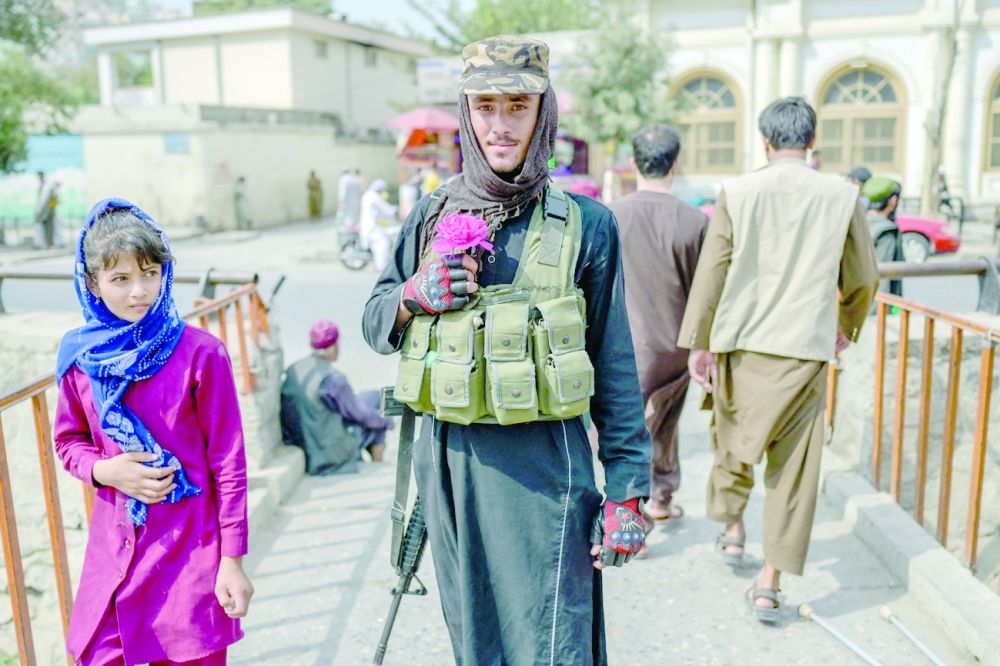





KABUL: Thousands of internally displaced Afghans living at a temporary camp in Kabul have started their journey home to northern provinces, after an end in fighting that forced them to flee.
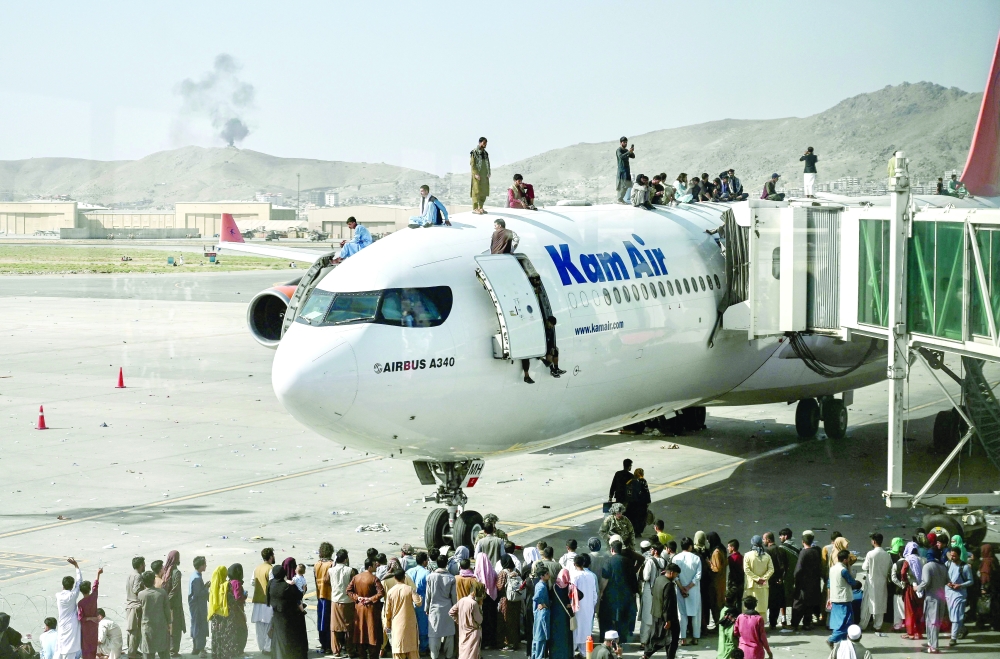
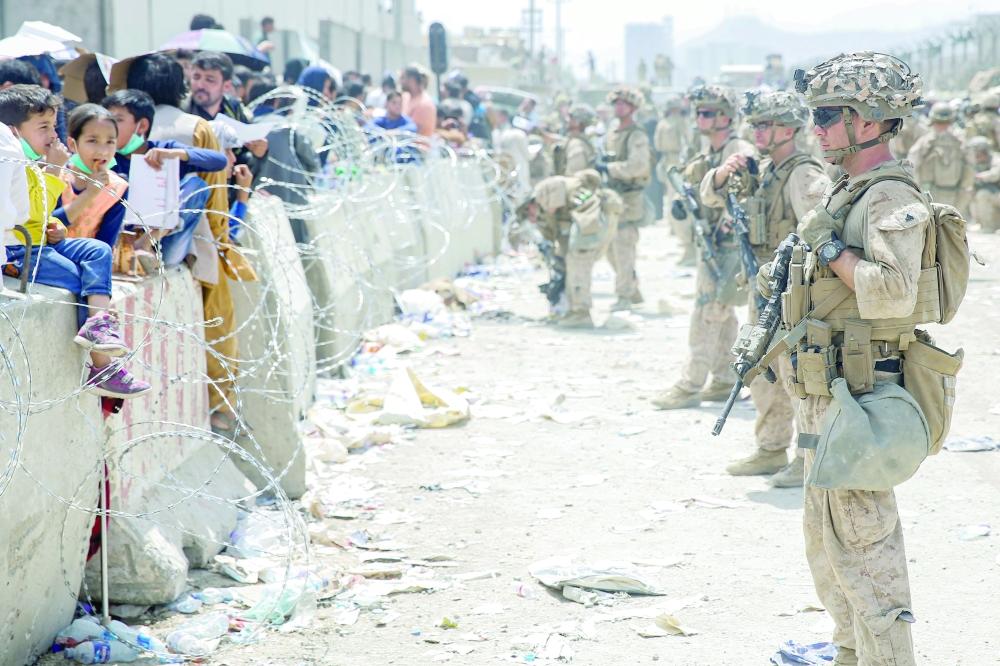
As the Taliban waged an offensive across the country earlier this year, many people fled to the safety of major cities including Kabul, before that too was seized and the US-backed government toppled.
Shahr-e-Naw park in the centre of the capital became an open-air refugee camp for thousands of families, living in dire sanitary conditions on the ground or under makeshift tents.
The Afghan Volunteer Women's Association chartered dozens of buses on Thursday to return 1,068 families to the Kunduz region.
Rafiullah Zaha from the NGO said the relocation plan included providing refugees 10,000 Afghanis ($112) in cash to buy food and distributing basic provisions such as flour, oil, rice and beans.
"We also have plans for their future," Zaha said.
The Taliban's victory over the Afghan security forces has seen an end to the clashes, bombings, and airstrikes that plagued the country for the past few decades.
"We had to move because of the war. Our house was destroyed. It was badly damaged," said Hadi, 39, who fled the town of Kunduz.
"Now we have to go back. We have no choice," he said, adding he was worried he may not earn the $1 to $2 salary he used to.
"Security has returned a little. It is better in our region," he added.
The Afghan economy is in ruins, with many losing their jobs, and a third of the population at risk of starvation according to the UN.
As of last month, the United Nations Office for the Coordination of Humanitarian Affairs had recorded more than 634,800 internally displaced Afghans this year.
An estimated 2.9 million Afghans had already fled their homes by the end of 2020, according to the UN's human rights division.
NO TO AFGHAN MIGRANT
Greece will not allow a repeat of the 2015 migration crisis to unfold on its borders following the deteriorating situation in Afghanistan, Prime Minister Kyriakos Mitsotakis said on Friday after visiting a new migrant camp on an island near Turkey.
The Taliban's takeover of Afghanistan in August brought fears in Europe of a replay of 2015, when nearly 1 million asylum-seekers, mostly Syrians, fled to Europe by crossing from Turkey to Greece.
In the latest example of its toughening migration policy, Greece opened an EU-funded camp on Samos earlier this month, a sprawling facility, heavily surveilled and surrounded by barbed wire.
"We will not accept uncontrolled migratory flows similar to the ones we saw in 2015," Mitsotakis told reporters on the flight back to Athens, and Europe needed to work with Afghanistan's neighbours to ensure refugees stayed in the region.
Greece welcomed 26 Afghan women lawyers and judges and their families on Thursday, but such cases "will be the exception", Mitsotakis said. "They cannot be perceived as a pull factor."
Greece says it does not want to turn into the EU's gateway again and recently completed a 40 km fence in the Evros region on the Turkish border.
"We have been successful in sending a message to smugglers, and their clients that undertaking the treacherous trip across the Aegean is probably a waste of money," Mitsotakis said.
Before visiting the new Samos camp, Mitsotakis addressed local authorities from the island's former camp of Vathy - once an overcrowded, rat-infested tent city of 7,000 people he called "a camp of shame" and "a disgrace to human dignity".
Vathy, together with Lesbos's Moria camp that burned down last year, had become symbols of Europe's stumbling response to the migration crisis on its southern borders, which left much of the burden to be carried by small islands.
Oman Observer is now on the WhatsApp channel. Click here