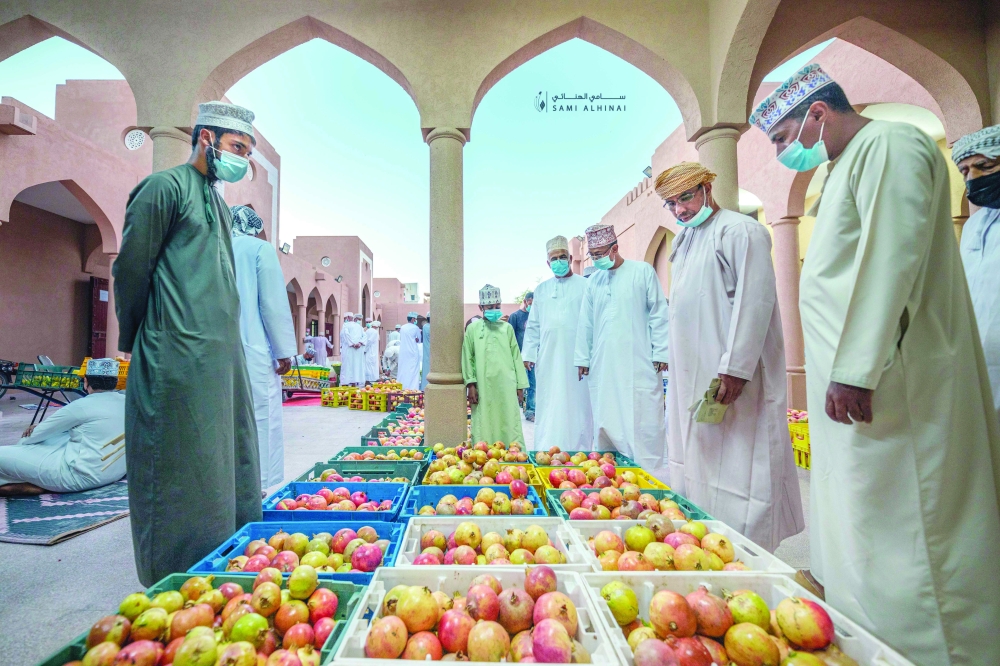





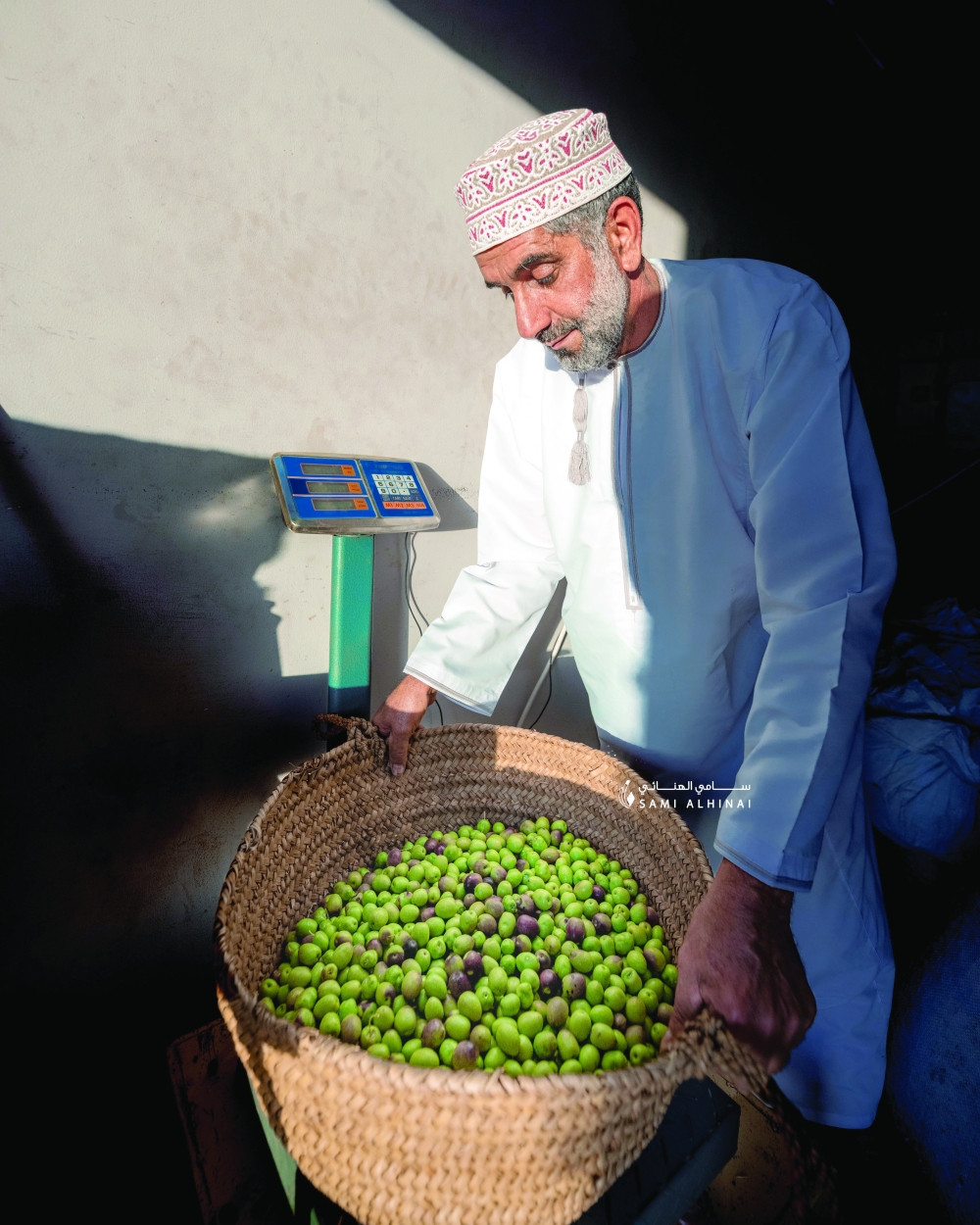
Al Jabal Al Akhdar is blessed with a salubrious climate, which allows the cultivation of nutritious and delicious fruits like pomegranates, olives, peaches, walnuts, grapes and pears and others.
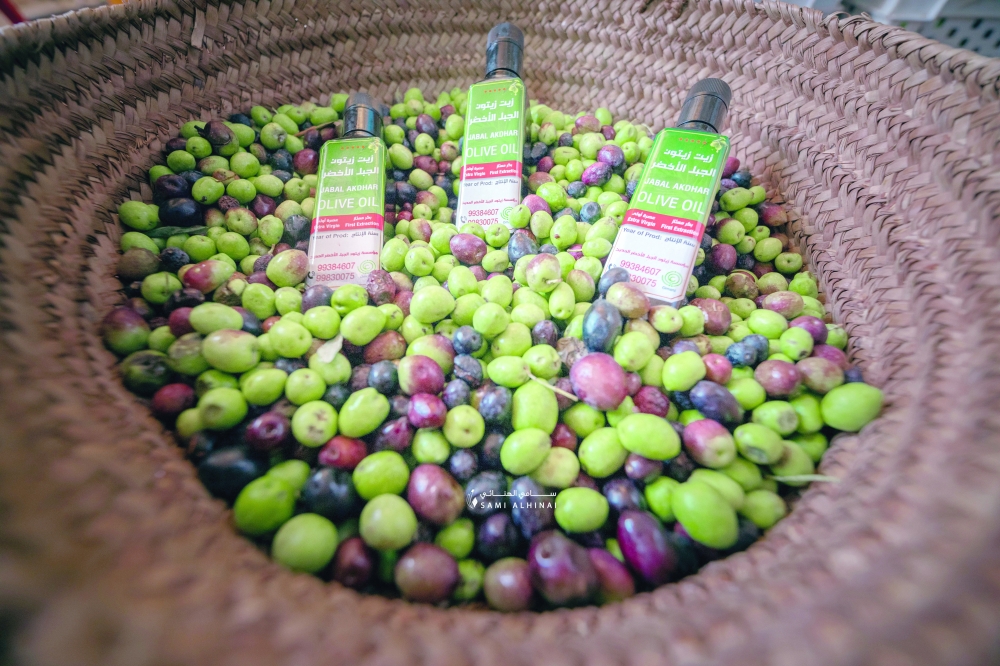
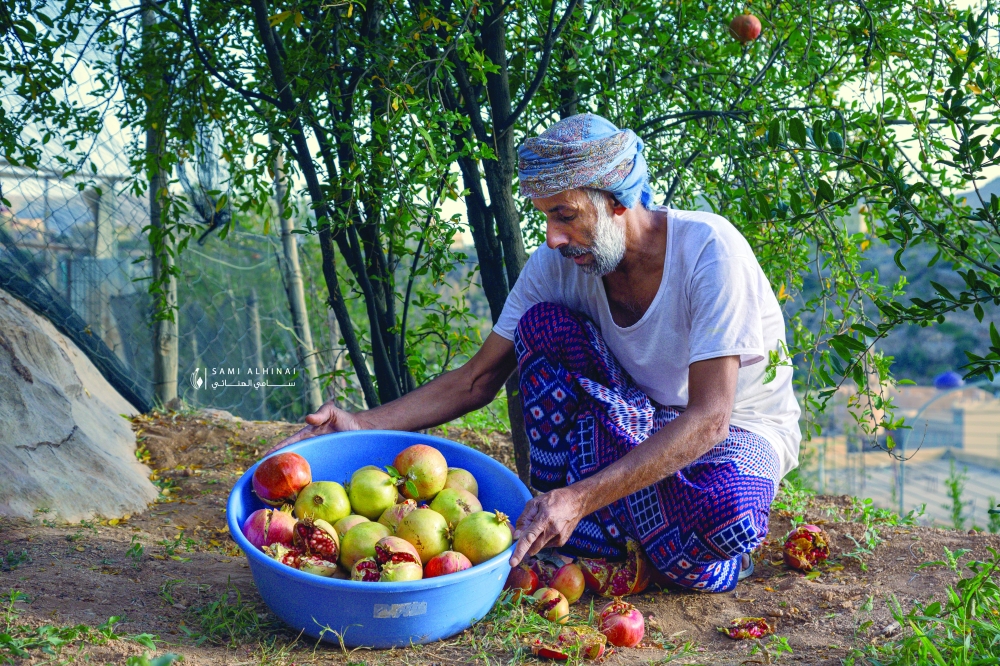
But some of the produce often commands high prices which prompts people to buy imported fruits. RO1 gets you just one pomegranate while the same money can get you nine Yemeni ones. The price of 250 ml of domestic olive oil is RO 7 compared to 400 baisa for the imported one. But not all fruits and vegetables are costly.
Some buyers seek the intervention of the Consumer Protection Authority to bring down the prices.
Responding to charges of high prices, a farmer in Al Jabal Al Akhdar said: "The price depends on demand and supply. Alternatives are available. And the quality and taste of our fruit is very delicious compared to others."
Another farmer said: "Try planting a pomegranate in the mountain and I am sure that you will change your opinion. Imagine six months of care, and in the end 40 per cent is not suitable for sale. Water, electricity, fertilizers, pesticides, cost more. This is a market of supply and demand. I plant pomegranates and I have about twenty trees and I water them from my pipeline at my home. If you consider these costs, believe me it’s nothing.”
But buyers disagree. Nasser Hamad said: “Dear farmers of Al Jabal Al Akhdar, be reasonable. Your counterparts across the world also face water scarcity and hard labour. Remember, buyers also have to work hard to get this money to pay for the produce."
Namer al Maamari said: “People are not rich buy fruits at high prices. Coffee is sold for RO 3 while imported one costs half a riyal. One piece of Al Jabal Al Akhdar pomegranate commands RO1. We can buy nine pieces of Yemeni pomegranates for the same price. Prices are not fair.”
Pomegranates and olive oil are priced higher because supply is limited and demand is more. Output remains more or less the same as the farmers in Al Jabal Al Akhdar cultivate the same area of orchards that they inherited from their ancestors thousands of years ago. Farmers also face some scarcity of water and the lack of alternatives for irrigation. Some have set up check dams to store water, which cost them huge sums of money. Not all farmers can afford to set it up.
Another major problem facing the farmers is pests that reduce the production. Most of the agriculturalists use traditional methods of cultivation which give them low yields. Farmers should embrace modern methods to boost output by following the guidelines of the Ministry of Agriculture, Fisheries and Water Resources to use the right amount of pesticides and better irrigation methods
PHOTOS BY SAMI AL HINAI
Oman Observer is now on the WhatsApp channel. Click here