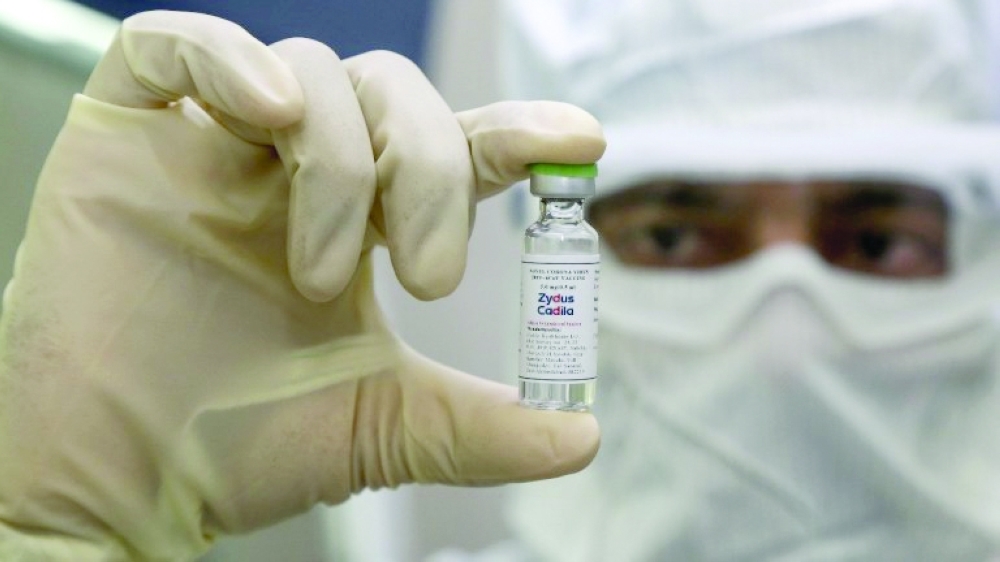





BENGALURU: India's drug regulator has granted emergency use approval for Zydus Cadila's Covid-19 vaccine, the world's first DNA shot against the coronavirus, in adults and children aged 12 years and above.
The approval gives a boost to India's vaccination programme, which aims to inoculate all eligible adults by December, and will provide the first shot for those under 18, as the country still struggles to contain the virus spread in some states.
The vaccine, ZyCoV-D, uses a section of genetic material from the virus that gives instructions as either DNA or RNA to make the specific protein that the immune system recognises and responds to.
Unlike most Covid-19 vaccines, which need two doses or even a single dose, ZyCoV-D is administered in three doses.
The generic drugmaker, listed as Cadila Healthcare Ltd, aims to make 100 million to 120 million doses of ZyCoV-D annually and has already begun stockpiling the vaccine.
Zydus Cadila's vaccine, developed in partnership with the Department of Biotechnology, is the second home-grown shot to get emergency authorisation in India after Bharat Biotech's Covaxin.
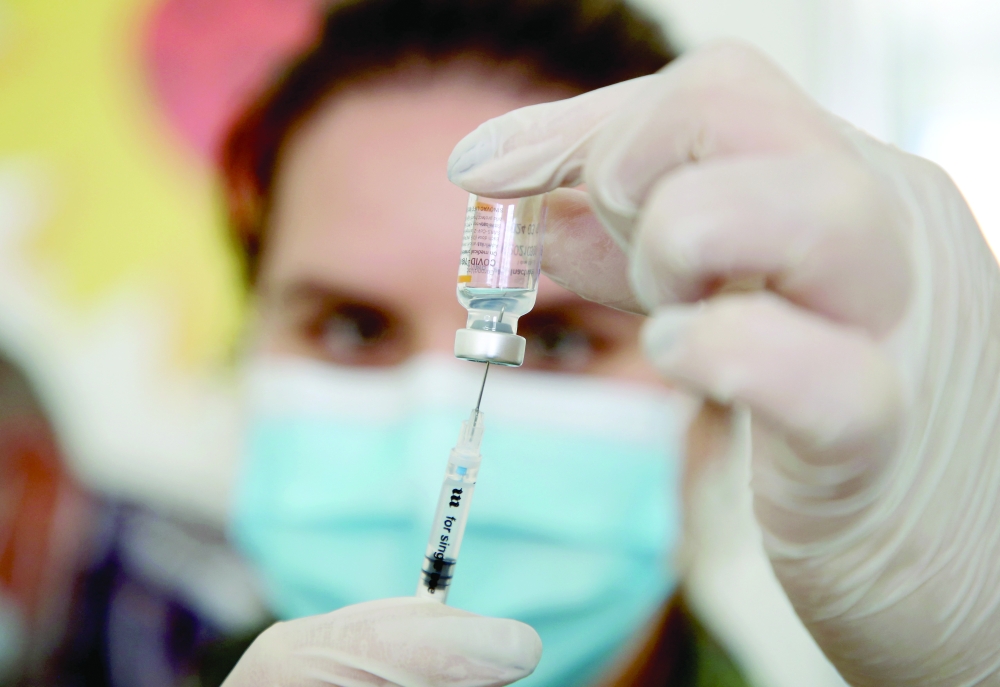
The drugmaker said in July its Covid-19 vaccine was effective against the new coronavirus mutants, especially the Delta variant, and that the shot is administered using a needle-free applicator as opposed to traditional syringes.
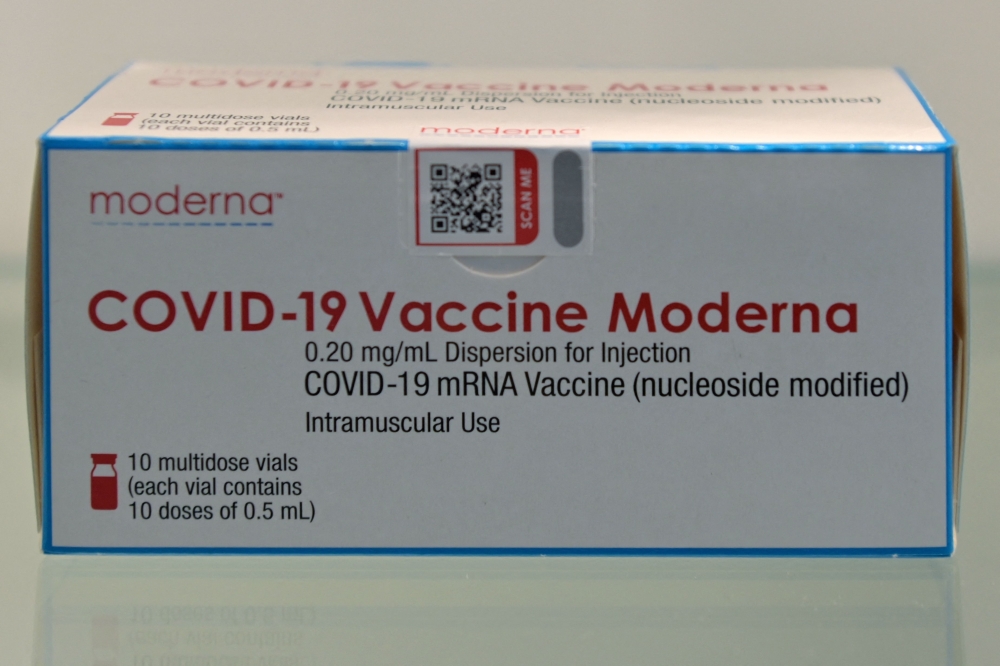
The regulatory nod makes ZyCoV-D the sixth vaccine authorised for use in the country where only about 9.18 per cent of the entire population has been fully vaccinated so far, according to Johns Hopkins data. Earlier, Moderna, Oxford-AstraZeneca's Covishield, Covaxin -- which was developed by Indian firm Bharat Biotech, Russia's Sputnik V, and Johnson and Johnson got the nod.
Zydus Cadila had also submitted data evaluating a two-dose regimen for the shot in July and plans to seek regulatory approval for the same.
The firm had applied for the authorization of ZyCoV-D on July 1, based on an efficacy rate of 66.6 per cent in a late-stage trial of over 28,000 volunteers nationwide.
"This three-dose vaccine... when injected produces the spike protein of the SARS-CoV-2 virus and elicits an immune response," the biotechnology department, which partnered with Zydus Cadila, said in a statement.
"The plug-and-play technology on which the plasmid DNA platform is based can be easily adapted to deal with mutations in the virus, such as those already occurring," it added.
More than 574 million jabs have been administered so far in India.
The country broke its daily record earlier this week by administering more than 9.2 million vaccine doses in the mass vaccination programme which began in mid-January.
Logistical challenges make Indian vaccines, which don't need any special storage facilities, the easiest to transport and use across the country.
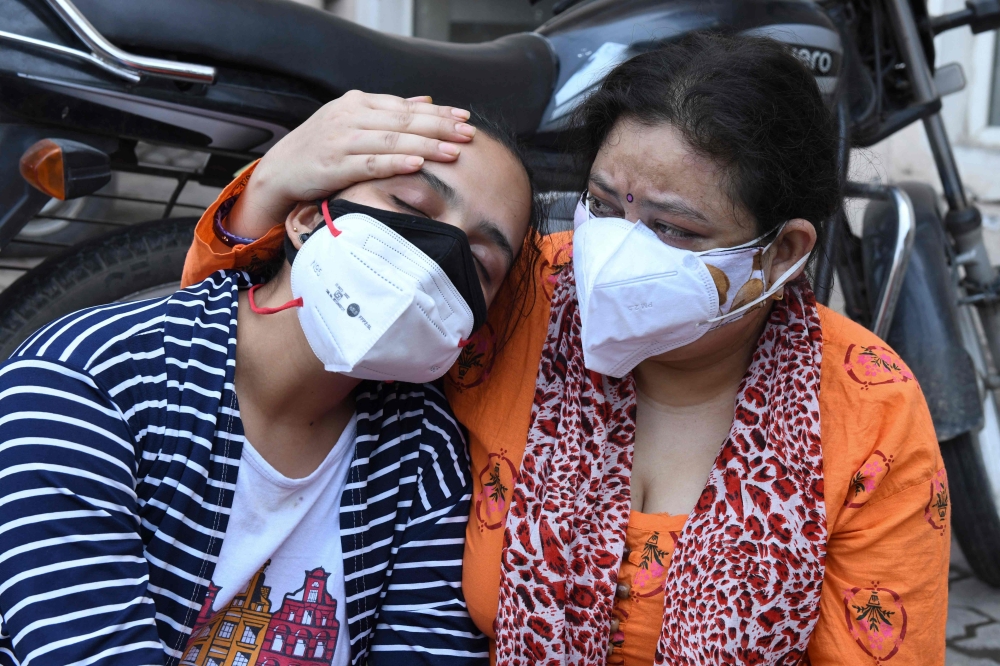
The nation of 1.3 billion people was hit by a massive spike of coronavirus cases in April and May that pushed the health care system to breaking point.
India has so far recorded at least 433,589 deaths and more than 32 million Covid-19 infections.
Oman Observer is now on the WhatsApp channel. Click here