




What’s in a name?
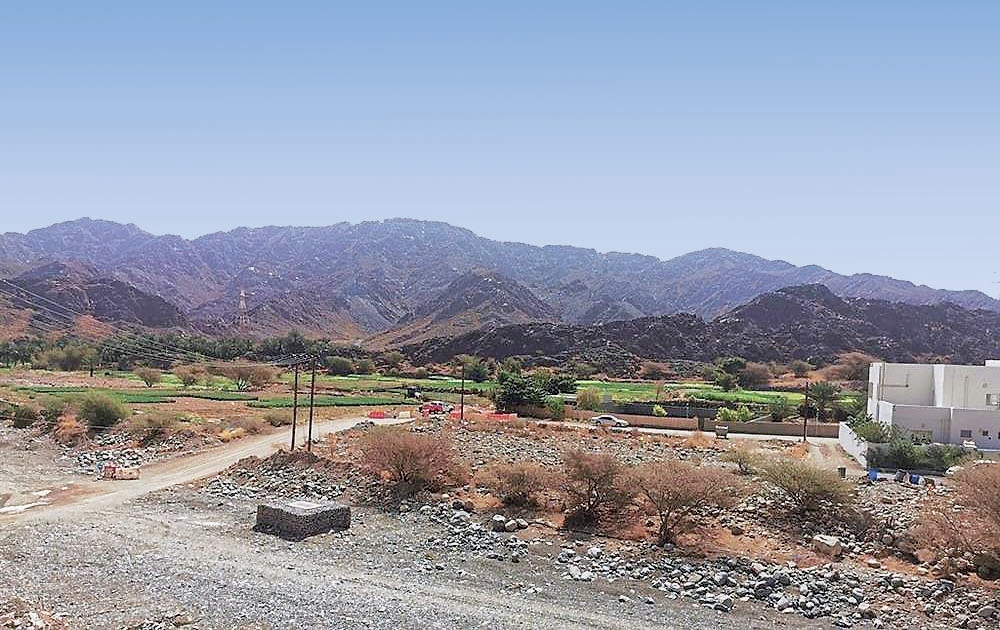
For Al Ayn Village located in the wilayat of Samayil, it’s the abundance of water that feeds the wadis and make it a stunning village of lush gardens and green fields.
Strategically located on the main road leading to the wilayats of Al Dakhiliyah, Al Ayn is one of the villages making up Wadi Bani Rawaha. Its rich heritage, green orchards and beautiful nature make it a tourist magnet for people in and outside of wilayat. The wadis of Al Asi and Al Misqah also meet at the same stream making this location the site of one of the most active wadis in the wilayat.
Shaikh Hamad al Rawahi (inset photo) said: “The village is named after Al Ayn water spring, which irrigates most of the village’s farms. It was called that way since the time of Imam Mohammad bin Abdullah al Khalili, the village of “Hamamt”. After the emergence of the water spring in the village, it was changed to Al Ayn village.”
He added, “The source of the flow of the spring is Wadi Al Asi, one of the wadis of Wadi Bani Rawaha in the Wilayat of Samayil.”
Shaikh Al Rawahi said that in the past, the village was irrigated by Al Olayani Falaj, but it was destroyed by the Persian commander Muhammad Noor along with the rest of the Aflaj of the wilayat. The people of the village were not able to restore it, so they invented the water spring, to which the name of the village was attributed.
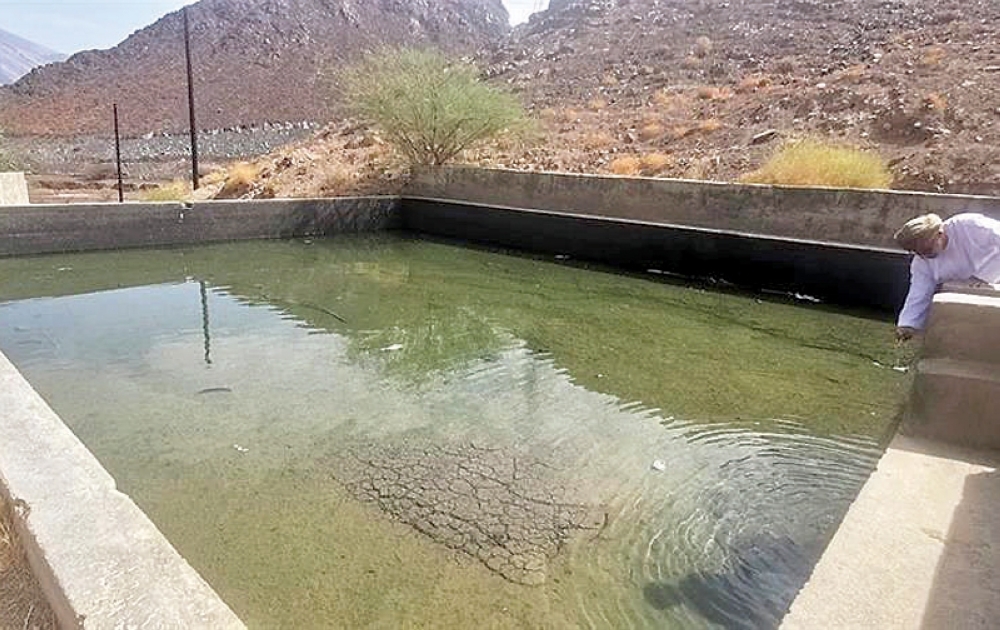
Today, the water of the spring is collected in a large water basin to irrigate the village farms and to be used to fill Falaj Al Ghalimi, which was reconstructed and repaired with the help of the concerned authorities in the government in 1984.
Shaikh Al Rawahi explained that among the wells that help Al Ayn irrigate the village’s farms is the “Bilarab” well, the “al Saqeera and al kabeera” well and other old wells in which the village farms are irrigated.
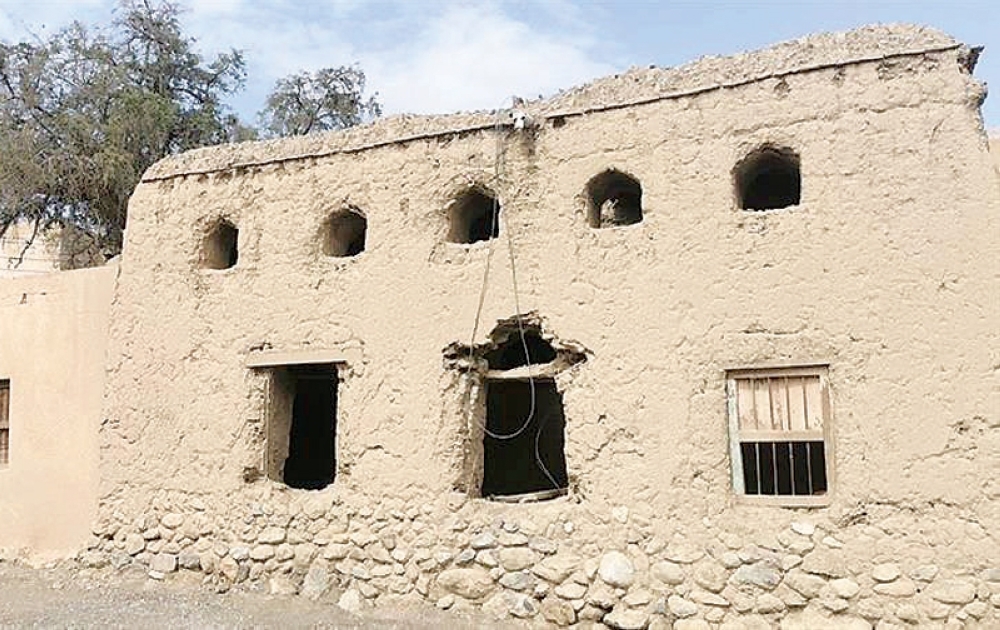
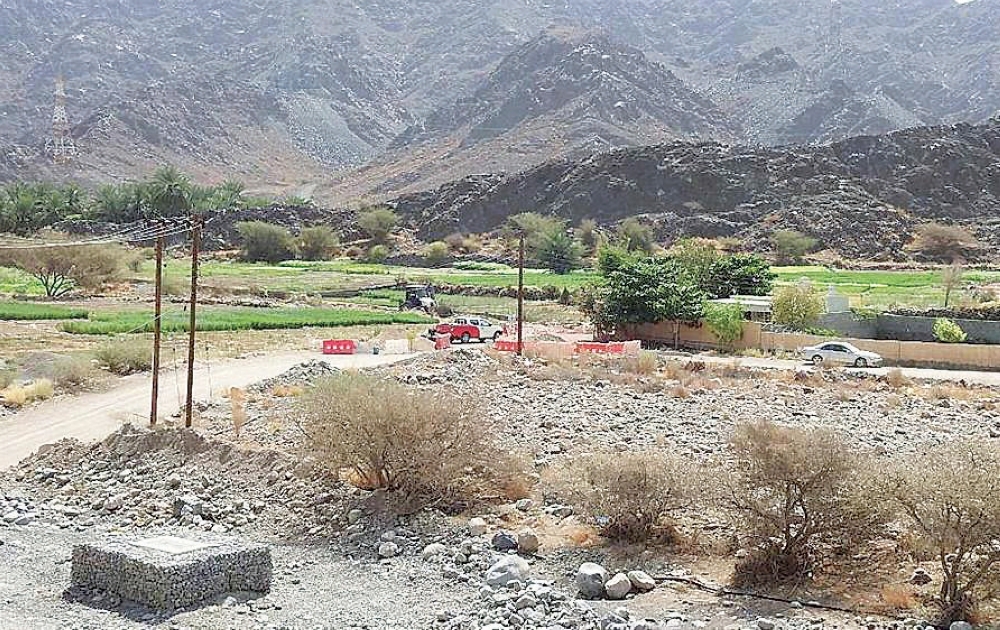
Al A’ali Farm is also one of the beautiful farms, located to the southeast of the village. In the middle of the farm, Wadi al Masaqah flows.
Wheat, corn and legumes are cultivated on the farm, and these crops are irrigated from the low-flowing Falaj that passes through the farm. Few farmers used other water sources to regrow these crops.
Shaikh al Rawahi said that the wadis in the village of Al Ayn has many springs and they also come with different names. For example, on the south side of the village, there is Wadi Al Misqah, which comes from the village of Al Magbariya and Wadi Al Asi, which comes from the village of Al Afiya and Wadi Al Ghoub and all these wadis meet in al Ayn then flows to al Janah village, where they meet with Wadi Rajm to constitute one huge wadi called Wadi Samayil. This big wadi goes through many wilayats like Fanja in Bidbid, that flow into the dam of Wadi Al Khoudh.
Tourists come to the village to visit its famous and beautiful attractions, most notably the Al Ayn stream, Al Alia Mosque, ancient houses, towers and other celebrated heritage for which the village is famous.
The people of the village practice agriculture, and their most important crops are palm trees, citrus fruits, onions, garlic, animal fodder, and the manufacture of all kinds of palm fronds. The women in the village sew all kinds of women’s clothing, the Omani Kumma and children’s clothing.
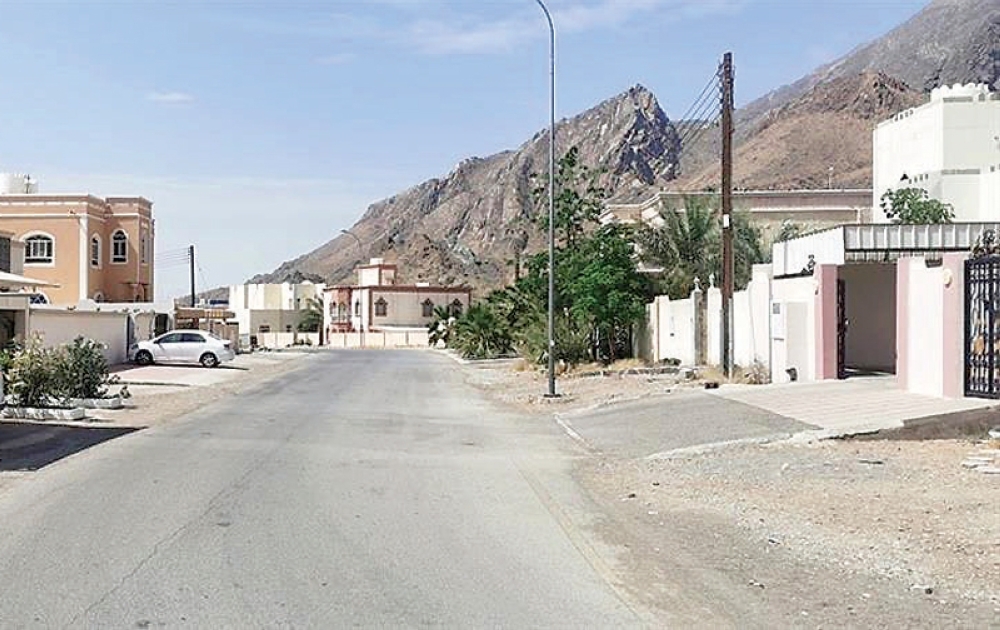
The village has also enjoyed many developmental achievements like education services, a health centre, electricity, water, telecommunications, urban development and the paving of internal roads.
Oman Observer is now on the WhatsApp channel. Click here