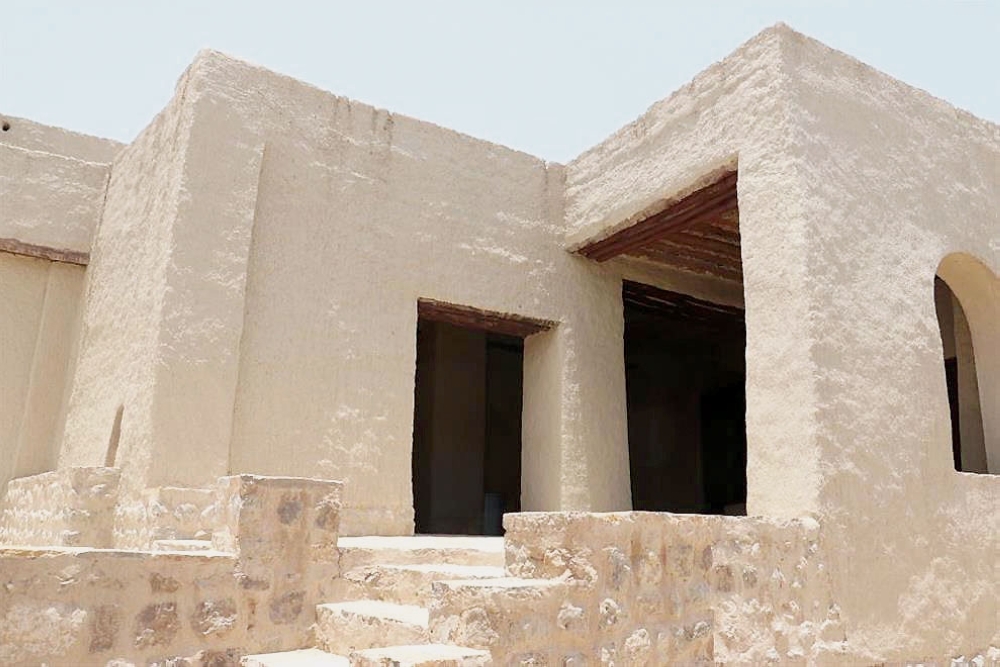





The imposing Adam Fort is one of the historical and archaeological monuments in the Wilayat of Adam in al Dakhiliyah Governorate, along with the mosques, castles, forts, old neighbourhoods and other tourist attractions scattered in the villages and regions of the wilayat.
The fort, with its ancient glory, rooted for hundreds of years, is located in the heart of the wilayat. It was established to be the headquarter of government and the residence of the wali, where the wali and the judge were sitting in Barzeh al Husn (the main room) in the morning and evening, with some notables of the wilayat to discuss the demands and needs of the people, solve litigation issues, and generally consider everything related to the social, judicial and religious aspects of society, in addition to receiving guests.
Dr Salem al Busaidy, a researcher in Omani history, says that the fortress of Adam was built by Imam Ahmed bin Said al Busaidy (according to the dictionary of the towns and tribes, volume one, p. 104) to be the headquarter of the Wali of Said bin Salem al Barashdi and some believe that it was built before that) and then restored by Imam Azzan bin Qais al Busaidy in 1869 AD the last wali and judge in this fort was Sayyid Hamad bin Saif al Busaidy.
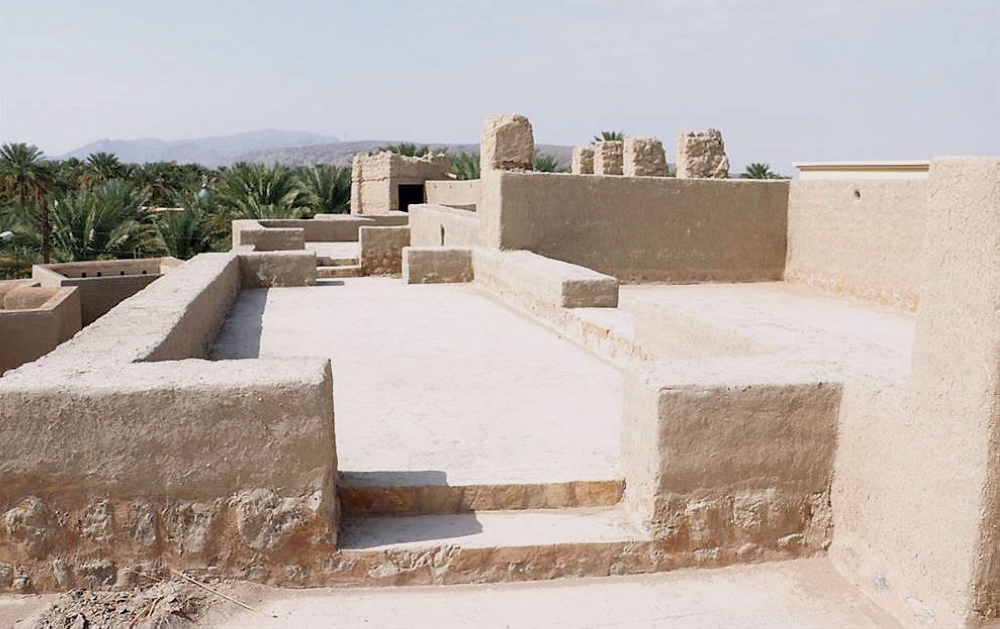
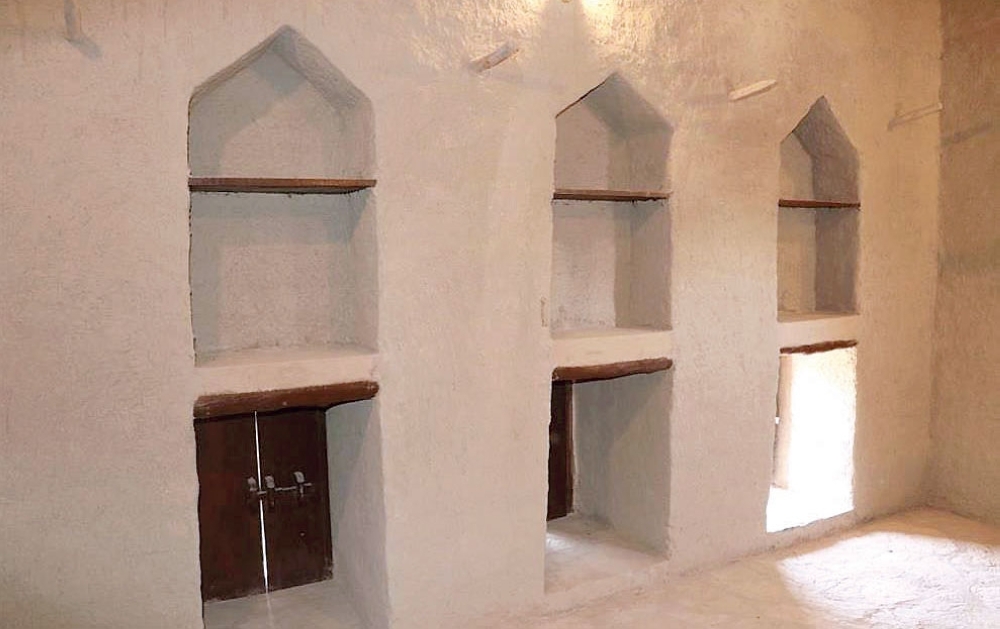
He added that the fort is surrounded by palm groves, and near it is the archaeological Al Rahba Mosque, the Al Rahba School for Teaching the Holy Quran and Falaj Al Ain. It includes several facilities for serving the wali, such as the barza, guards’ rooms, multiple rooms for housing, stores and a well. It has one gate located on the southwestern side and two towers. The first tower is circular and located on the eastern side and is consists of two floors. On the first floor, there are holes for drainage of water and waste, while the second tower is located on the northern side, also circular, and has three floors.
Al Busaidy pointed out that the Ministry of Heritage and Tourism recently restored the fort as part of its plan to preserve the Omani heritage for future generations.
The parts that were once destroyed were restored to their original glory with the intention of the fort becoming a destination for visitors and researchers in Omani history and architecture.
Oman Observer is now on the WhatsApp channel. Click here