




A free trade deal, involving various products, between Britain and Norway, will have to be put on hold as Norway’s coalition government failed to reach an agreement last week. In this post-Brexit era when it’s a priority for the UK to strike trade deals, it’s frustrating that obstacles arise to delay matters.
After a rollover deal was agreed last December, UK’s International trade minister, Liz Truss, said: “We’ve secured continuity for businesses trading goods with Norway and Iceland, worth over £20bn in 2019.” She added: “We’re looking forward to a more comprehensive FTA (Free Trade Agreement) with Norway, Iceland and Liechtenstein that will come into force this year (2021).”
The three governing parties of Norway were to reach consensus over fears that a free trade deal would hit farmers too hard. The Christian Democrats party (Krf), part of the current coalition government, refuses to open up the Norwegian market to British beef and cheese, fearing non-tariff access would put many farmers in the country out of businesses.
A KrF party insider said: “They have failed to agree, no one is moving, and now there is not enough time left to pass (any agreement) in the Norwegian parliament” before national elections are held on 13 September.”
He added that it is now unlikely that a deal will take effect before 2022, as any new government, which will most likely consist of at least three or four parties, will have to approve what has been agreed so far and reach consensus on outstanding issues, such as opening up Norway to the two British products on a non-tariff basis.
After that process is complete, the required domestic legislation will need to be drafted and passed. This process can easily take several elections, after the September elections. Following intense internal discussions last week, the Christian Democrats were not prepared to change their minds and join the other two governing parties, the Conservatives and Liberals, who fully back a comprehensive trade deal.
The party insider explained the party “can simply not agree” to a non-tariff deal because it traditionally leans heavily on Norway’s rural vote. According to the most recent polls, the party is well behind, polling at only 3.4 per cent of the vote.
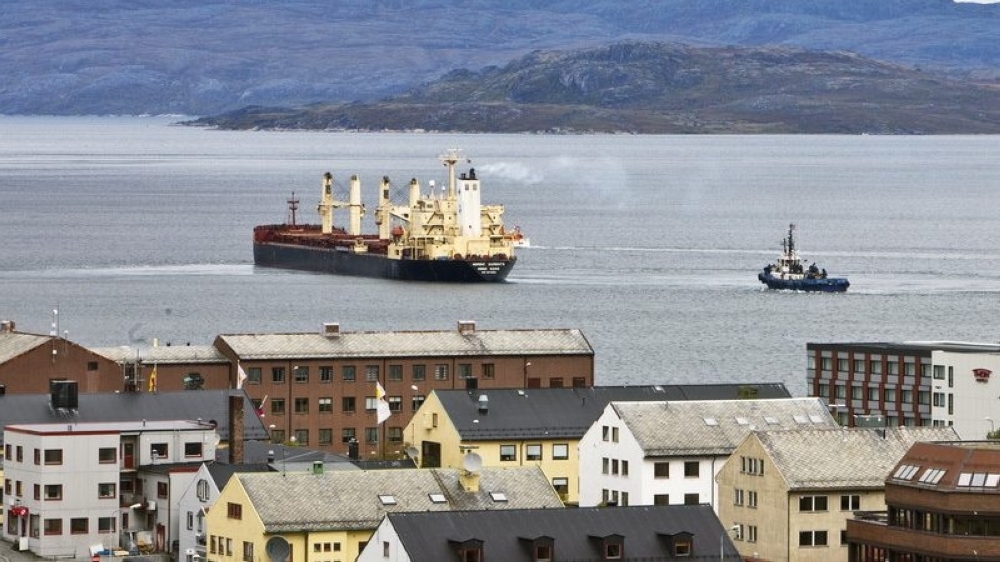
After the EU, the UK is Norway’s most important trading partner, with an estimated annual value of around £20bn. The Norwegian market is small, but highly attractive for UK exporters, as prices are high and consumers have strong purchasing power.
Last December, the UK signed a temporary post-Brexit rollover trade deal with Norway. The agreement covered trade in goods, and ensured 95 per cent of goods trade with Norway and over 90 per cent with Iceland will remain tariff-free, providing businesses with certainty that they can continue operating on the same terms as they did pre-Brexit.
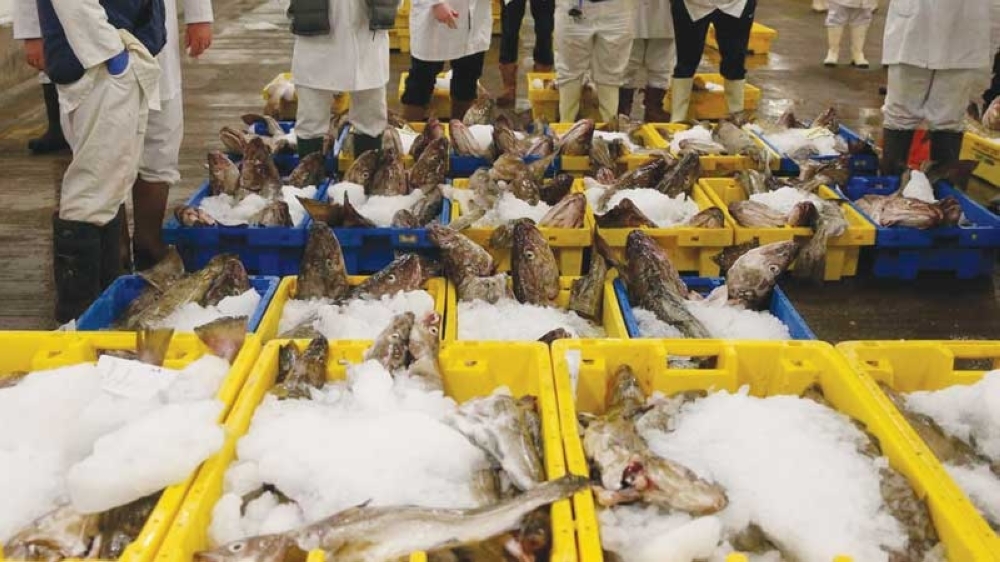
However, it’s merely a temporary deal and includes a range of sectors, including agriculture, fishing and services. The news comes only three weeks after a fishing deal between the UK and Norway collapsed, as parties could not agree on annual catches.
The failure to reach an agreement left the British fishing industry extremely annoyed as this was an important part of negotiations, and it put Hull-based freezer trawler giant Kirkella, one of the UK’s biggest players, out of business for the rest of the year.
A spokesperson for the UK’s Department for International Trade said that trade deal negotiation itself has not ended. “The UK’s negotiations with Norway have not collapsed. Talks are ongoing and remain positive. All sides are committed to agreeing a new deal as soon as possible,” he said. (The writer is our foreign correspondent based in the UK)
Oman Observer is now on the WhatsApp channel. Click here