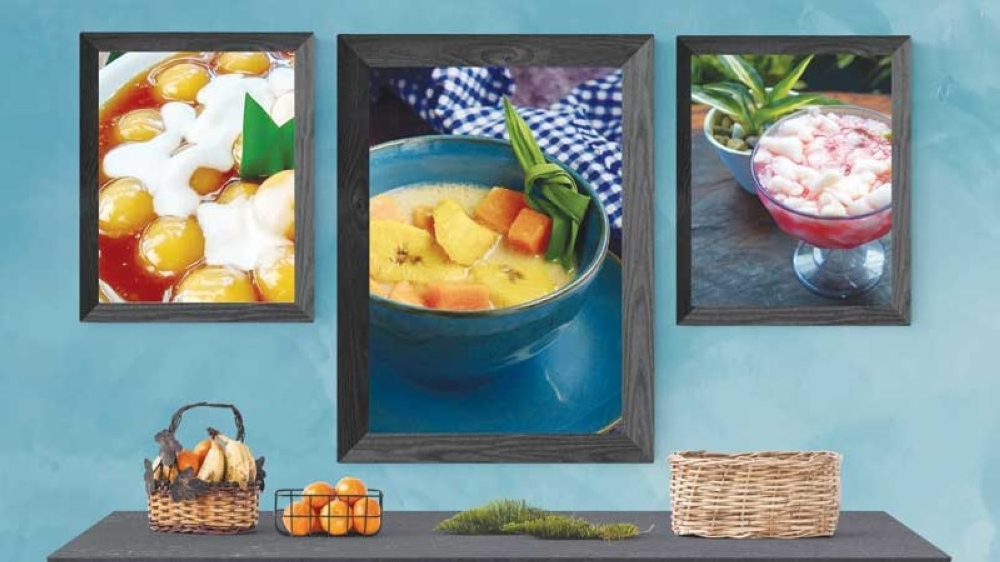





The iftar delicacies from Oman and Indonesia bear a strong resemblance to each other and both carry a tradition of delectable foods that transcend geographical boundaries. Both hold familial iftars close to their traditions and as Islam instructed, iftars are times of enhancing the bonding and cementing the relationships.
The moment of breaking the fast has created a culinary tradition of its own in various communities of Muslims across the world. A varied menu that arouses one’s appetite after enduring hunger and thirst all day is, for the majority, a must. Various countries have their unique culinary delights that are a favourite of the people in breaking their fast, including in Indonesia.
Hundreds of types of Indonesian food and drinks have become a favourite menu when breaking the fast for around 220 million Indonesian Muslims in the country. Just like people from Oman follow, Iftar food for Indonesians usually consists of two types, Takjil and main course. The first one called Takjil is the first one eaten to break the fast. Takjil can be in the form of food or drink or fruit. Takjil food can be easily found in street food carts and five-star hotels.
Just as Arabs and other Asians do, the fruit that is always present in the month of Ramadhan is dates. Dates are not native to Indonesia, so they must be imported, especially from countries like the Sultanate of Oman. However, in the month of Ramadhan, people can easily find this sweet fruit in shops and markets as well as at every iftar event.
“Ramadhan is the month that Muslims always waiting for. Ramadhan is a month of blessing when all Muslims are competing to perform their prayers as well as possible and as much as possible. The month of Ramadhan is also an occasion when families spend time together more. “ We value the most eagerly awaited time with family, relatives and friends are breaking the fast or well known as Iftar,” said Reza Abdulrojak, Counsellor, Information and Socio-Cultural Affairs, Embassy of the Republic of Indonesia in Muscat.
Apart from dates, some of the most popular Takjil menu foods and drinks throughout the archipelago are as follows:
Kolak (Banana Stew)
This sweet dessert menu made from bananas and sweet potatoes boiled in coconut milk is the most typical during Ramadan in Indonesia. Every Ramadan, it is almost certain that at least once a month there is a Kolak on your dining table when breaking the fast.
Kolak is a dessert bowl filled with slices of bananas, sweet potatoes, or pumpkins along with coconut milk mixed with palm sugar and pandan leaves as its soup. Not only has a sweet flavour, but kolak also has a very appetizing smell that came from its pandan leaves.
Kolak can be served in two versions: hot and cold. If you are a fan of cold beverages, feel free to put some ice cubes inside it and if you are in the mood for a hot dessert, go ahead and warm it a little bit. Whether it is hot or cold, kolak will still be a good option to break your fasting.
Es Timun Suri (Timun Suri Melon and Blewah Melon with ice and syrup)
In addition to Kurma, fruits that are always plentiful during Ramadhan are Timun Suri Melon and Blewah Melon. Es Timun Suri is a phenomenal Ramadhan drink since most people mistakenly think that the fruit grows only during Ramadan. It is not entirely true, since the fruit can actually grow any time of the year, but farmers usually start planting before Ramadhan to meet the yearly demand.
Timun Suri is shaped like a melon and contains lots of juice. It is usually served with coco pandan syrup or honey. In some parts of the country, people mix it with palm sugar syrup or condensed milk, then pour a little bit of lime juice for a sweet and sour fresh taste.
Candil (sweet dumpling in brown sugar and coconut milk porridge)
These gluten-free, vegan, soft and chewy sweet potato dumplings are served in palm sugar syrup and coconut sauce. This sweet dessert is called Bubur Candil. Bubur means porridge and candil is the sweet dumpling. In some areas, they are called Biji Salak because the shape of the dumpling is similar to the seed found inside snake fruits (Salak). Salak fruit is one of the native fruits of Indonesia.
The Candil ball can be made from glutinous rice flour with a bit of tapioca flour and also can be made from sweet potato and tapioca flour. Other option is using mashed pumpkin, mashed purple sweet potato, or mashed sweet yam.
The foods and drinks mentioned above are some of the most popular specialities of the month of Ramadhan which can be found in almost all of Indonesia. In addition, there are many other types of food and drink popular during Ramadhan. Each of the 34 provinces in Indonesia has a variety of special Ramadhan dishes. Indonesian Iftar desserts are a must following the fast-breaking and before entering for the long prayers.
The recipe for Bubur Candil:
Ingredients
For Candil
200 g white glutinous rice flour (tepung ketan)
175 ml warm water
1/2 tsp salt
1kg sweet potato (boil it until boiled then peeled n mashed it) (Optional)
For Porridge
800 ml water
200 g coconut sugar or brown sugar
1 Pandan leaf
Coconut Milk sauce
250 ml think coconut milk
¼ teaspoon of salt
2 Pandan leaves
25 g rice flour & 25 g white glutinous rice flour (tepung ketan), mix with 50 ml water
Steps:
Make the balls (candil): mix white glutinous rice, salt and mashed sweet potato (if you don’t use sweet potato then you can slowly add water and knead using your hand. Stop adding water when you already can form the mixture into balls.) Shape it like a small ball.
Make the porridge: Boil the water with coconut sugar/brown sugar and pandan leaf. When it’s boiling drop the balls into it until the balls are floating to the top of the water level then remove from the heat.
Make the coconut milk sauce: boil the coconut milk together with pandan leaves and salt. When it’s boiling pour the mixture of rice flour and white glutinous rice flour then stir it until boiled and turn off the stove. Serve the porridge with coconut milk sauce.
Iftar is one of the important worship in the month of Ramadhan. Abu Huraira related that the Prophet (peace be upon him) said: “Allah the Majestic and Exalted said: “Every deed of man will receive ten to 700 times reward, except Siyam (fasting), for it is for Me and I shall reward it (as I like). There are two occasions of joy for one who fasts: one when he breaks the fast and the other when he will meet his Lord” (Muslim).”
Oman Observer is now on the WhatsApp channel. Click here