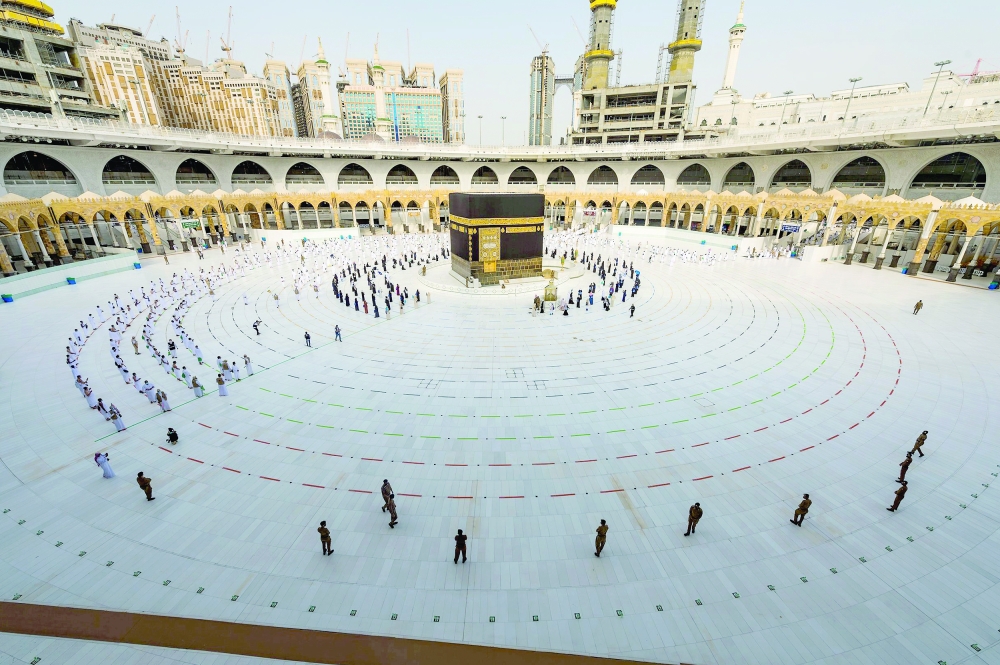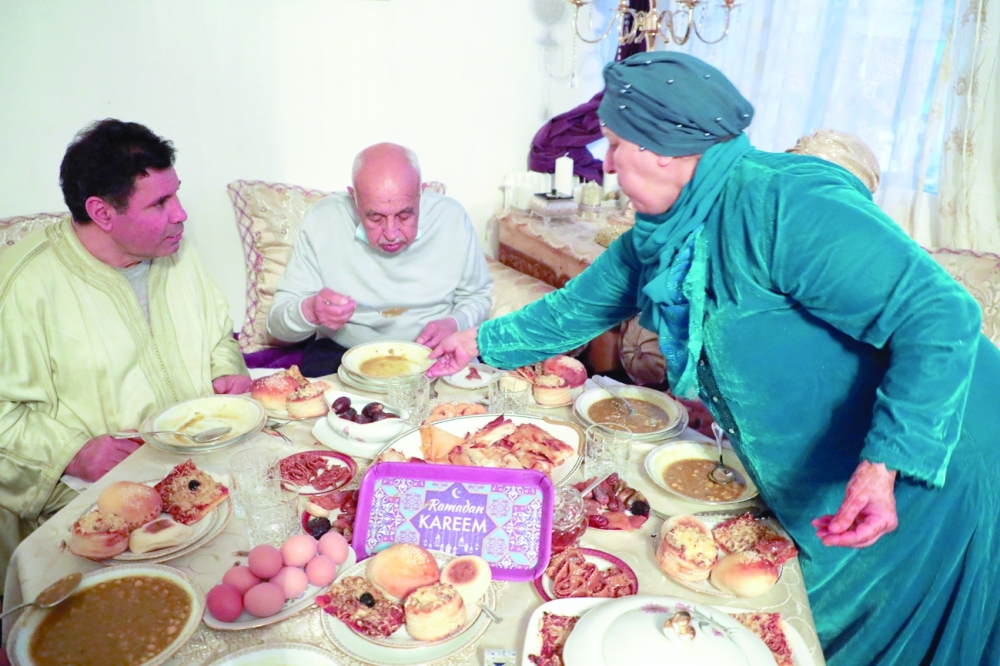





AULNAY-SOUS-BOIS: For the second year in a row, Lalla Aicha Moujahid is marking the holy month of Ramadhan under Covid-19 conditions -- which means talking to her daughters via video call, instead of breaking the fast together in the same room.
"What we miss, what we really miss is the mosque, the prayers, the breaking of the fast and all that," she said last Friday evening.
"It's not the same."
For Moujahid and her family, the daily rhythms of Ramadhan are the same as every year: dawn-to-dusk fasting, a celebratory "iftar" meal to break the fast after darkness falls, frequent prayers.
But the communal aspect that forms a central part of Ramadhan for many Muslims is very different.
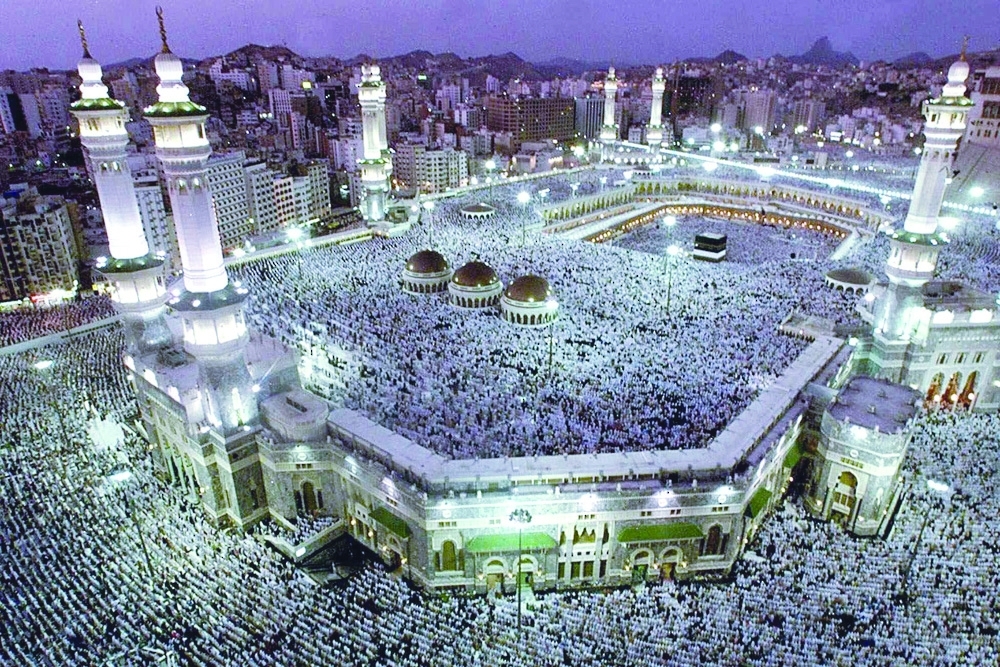
In France, home to the European Union's largest Muslim population, the 7 pm nationwide curfew in force because of Covid-19 means night-time prayers at the mosque -- a mainstay of Ramadhan -- are impossible.
Instead, the family stay at their home in a suburb of Paris, and clear away tables to make a space in the living room where they can lay down prayer mats.
Meanwhile, the "iftar" is restricted to immediate family and closest friends.
Moujahid's adult daughters would normally join in, but this Ramadhan they are marking the "iftar" in their own homes.
"When there wasn't Covid, we break fast with the whole family," said her husband, business owner Aziz El Moujahid. "But now with Covid, we have to keep our numbers low."
When he prays, he said, he asks for a return to normality.
"That God blesses us, that God accepts our fast, and our prayers, and that this Covid disease leaves," he said. - Reuters
Oman Observer is now on the WhatsApp channel. Click here